
Who wrote Obadiah, and when?
Obadiah. Probably soon after 586 BC, when Edom helped Babylon against Jerusalem.
The book names its author as Obadiah, a common Hebrew name meaning servant of the LORD, and tells us nothing more about him. He is not the Obadiah who served King Ahab in 1 Kings 18. The book is not dated, but its description of foreigners entering Jerusalem, casting lots for the city and carrying off its wealth, while Edom joined in, fits the Babylonian destruction of 586 BC best, so most scholars place it soon after that. A minority connect it with an earlier raid on Jerusalem in the 800s BC. Verses 1 to 9 closely resemble Jeremiah 49:7-22, which suggests that one prophet drew on the other or that both used a shared oracle.
Who was Obadiah written to?
Judah after the fall of Jerusalem, and the nation of Edom, Israel’s brother nation descended from Esau.
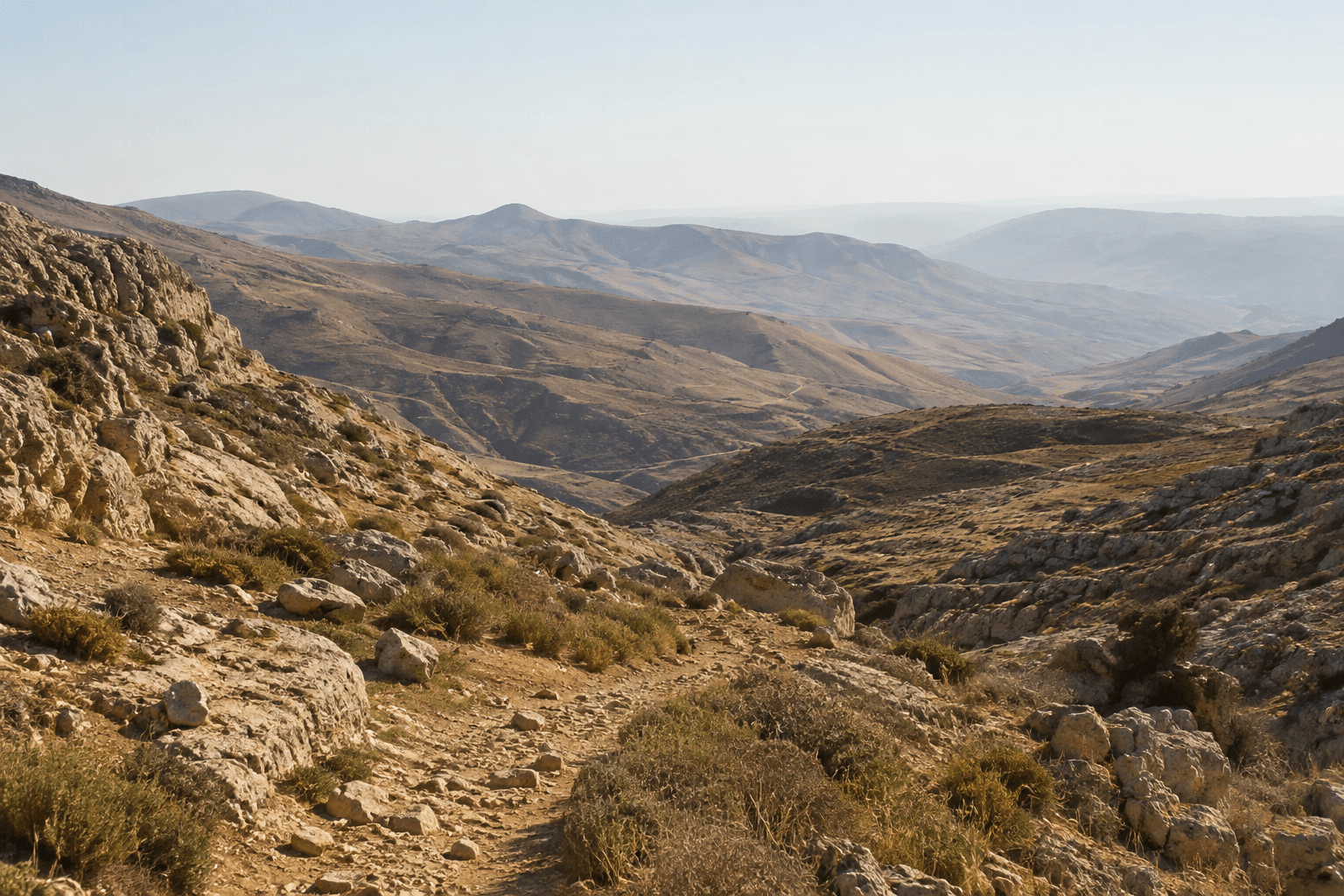
Obadiah addressed Edom, the nation descended from Esau, Jacob's twin brother, which lived in the rugged mountains south-east of the Dead Sea around the fortress city later known as Petra. But the people who actually heard and kept the book were the survivors of Judah. They had watched their relatives, the Edomites, stand at the crossroads to cut down those fleeing from Babylon's army, hand over the rest and loot the ruins. The wound of betrayal by family ran deep, and Psalm 137 shows the same anger. These readers needed to know that God had seen it. Later readers include anyone who has been abandoned by those who should have stood with them.
What was happening at the time?
Edom, descended from Jacob’s brother Esau, lived in the mountain fortresses south-east of Judah. When Babylon destroyed Jerusalem, Edom stood by, gloated, looted, and handed over fugitives. Obadiah announces that pride goes before a fall, that Edom will be brought down from its rocky heights, and that the kingdom will be the LORD’s.
Why was Obadiah written?
To announce judgment on Edom for its pride and betrayal, and to assure Judah of God’s justice.
Obadiah announces that Edom's pride, symbolised by its high rocky strongholds, will be brought down, and that its violence against its brother Jacob will come back on its own head. The book widens from Edom to all nations: the day of the LORD is near for everyone, and what a nation has done will be done to it. It wants readers in Judah to trust God's justice rather than seek their own revenge, and to expect that Mount Zion will be delivered and the kingdom will belong to the LORD. In the wider story of the Bible, the rivalry of Jacob and Esau that began in Genesis reaches its end here, and the final line looks ahead to the kingdom the New Testament announces.
How to read Obadiah today
At twenty-one verses this is the shortest book in the Old Testament, so read it in full, then read Genesis 25 to 27 and chapter 36 for the background on Jacob and Esau. Watch for the language of height and falling, and for the repeated word day, which piles up in verses 11 to 14 to describe what Edom did. Verse 15 is the hinge, where the focus turns from Edom to all the nations. Do not force the book to be only about one ancient people; its warning against gloating over another's downfall applies widely. As you read, pray for anyone who has wronged you, asking God to handle justice, and ask him to root out any quiet pleasure you take in the failures of others.
The key verse in Obadiah
For the day of the LORD upon all the nations is near; As you have done, it shall be done to you; Your reprisal shall return upon your own head.
Passages worth knowing in Obadiah
- Obadiah 1:1-9
Edom brought down
The pride of your heart has deceived you.
- Obadiah 1:10-14
The day you stood aloof
Eight things Edom should not have done to a brother.
- Obadiah 1:15-21
The day of the LORD
As you have done, it shall be done to you; the kingdom shall be the LORD’s.
The main themes of Obadiah
- Pride
- Betrayal of a brother
- The day of the LORD
- God’s justice
- The kingdom of the LORD
An outline of Obadiah
| Section | Chapters |
|---|---|
| Judgment on Edom and hope for Zion | 1 |